Red Light
Red light is visible to the eye and is commonly used in cosmetic devices intended to support the appearance and condition of the skin. Different devices may use different wavelengths, intensities and session lengths.
Wellness Explained
Few beauty technologies have attracted as much attention in recent years as red light therapy. It appears in luxury spas, wellness clinics, professional treatment rooms and now inside people's homes.
With so much excitement comes an important question. Does it actually work? The honest answer is more interesting than a simple yes or no.
Like many wellness technologies, red light therapy is not magic. It is not designed to transform your skin overnight or replace healthy habits. Instead, it is best understood as one piece of a long-term skincare routine where consistency, realistic expectations and overall skin health continue to matter most.
Understanding the Technology
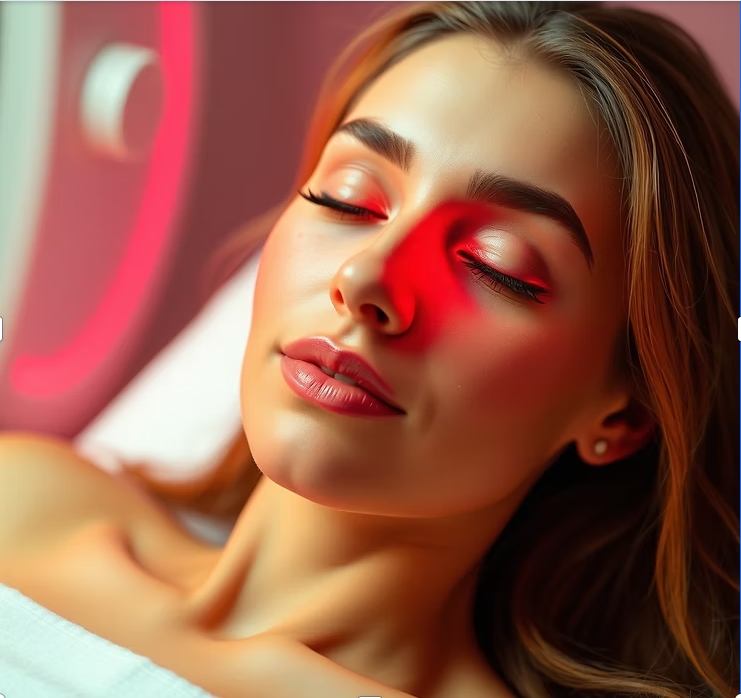
Red light therapy—often discussed in scientific literature as photobiomodulation—uses selected wavelengths of visible red or near-infrared light as part of a controlled treatment routine.
Red light is visible to the eye and is commonly used in cosmetic devices intended to support the appearance and condition of the skin. Different devices may use different wavelengths, intensities and session lengths.
Near-infrared light sits just beyond the visible spectrum. Some devices combine it with visible red light, while others use red light alone. These combinations should not be assumed to perform identically.
During a session, the device directs light toward the skin for a defined amount of time. Researchers are studying how cells and tissues respond to that exposure and whether repeated treatments can support measurable changes in skin appearance.
The important word is repeated. Clinical research generally evaluates treatment schedules carried out over several weeks, rather than expecting a dramatic change from one session.
Results from one study or professional device cannot automatically be applied to every mask, panel or handheld tool. Wavelength, intensity, treatment distance, duration and consistency can all influence the experience.
Red and near-infrared light are different from the ultraviolet radiation associated with tanning and sun damage. That does not mean every device should be used without care. Instructions, treatment times, eye-protection guidance and manufacturer safety information still matter.
The Important Question
Research into red light therapy continues to grow, and studies have explored its use for a variety of cosmetic and wellness applications. Results have been encouraging in some areas, but they are not identical across every device, treatment schedule or individual. Rather than asking whether red light therapy "works" for everyone, a better question is whether a particular device, used consistently and as directed, is appropriate for your goals and expectations.
Most published research evaluates repeated treatments over time rather than expecting dramatic improvements after a single session.
Like exercise or healthy eating, a skincare routine is generally more effective when it becomes a regular habit instead of an occasional event.
Skin type, age, goals, lifestyle and the device itself all influence the overall experience. Individual results will naturally vary.
We believe beauty technology deserves curiosity rather than blind belief. A quality device should never promise perfection, but it should make it easier to build a consistent skincare routine at home. That is where the greatest long-term value often begins—not with unrealistic expectations, but with realistic habits.
From The Editor
One of the challenges with modern beauty technology is separating genuine curiosity from exaggerated marketing. New devices appear almost daily, often accompanied by bold promises that can make it difficult to know what deserves your attention.
At Ryloma, we believe the better approach is to stay curious while keeping our expectations realistic. We appreciate thoughtful innovation, but we also believe consistency, healthy habits and patience remain some of the most valuable tools in any skincare routine.
Technology should support your routine—not replace it. The goal isn't to search endlessly for a miracle device, but to build simple habits you can comfortably maintain for years.
"The best beauty routine isn't the most expensive one. It's the one you'll still enjoy six months from now."The Ryloma Editorial Team
As research continues to evolve, we'll continue exploring new technologies, reviewing products thoughtfully and sharing what we learn along the way. Our goal has never been to convince you to buy more—it's to help you make better-informed decisions about the products you choose.
See how one of the products currently featured in the Ryloma collection fits into our philosophy of practical, consistent at-home skincare.